Coffee in India has undergone a magnificent renaissance over the past decade. What was once viewed primarily as an instant morning caffeine hit or a heavily sweetened chicory-infused brew has evolved into an artisanal culinary obsession. Today, discerning cafe-goers no longer settle for generic "filter coffee" or scorched dark roasts. Instead, modern coffee enthusiasts demand transparency: they want to know the precise elevation where their beans were grown, the exact botanical varietal, the micro-roasting curve, and the barista's extraction parameters. At Sip Sip Spot, we are proud to lead this third-wave specialty coffee movement across Punjab and North India.
1. The Historical Journey: From Baba Budan's Seven Seeds to Third-Wave Cafes
India's romantic relationship with coffee dates back over 400 years to the 16th century, when the revered Sufi saint Baba Budan smuggled seven raw green coffee beans from the port of Mocha in Yemen, strapped securely to his chest. He planted those seven miraculous seeds in the lush, mist-draped Chandragiri Hills of Chikmagalur, Karnataka. Those original saplings laid the foundation for what is today one of the world's most celebrated shade-grown coffee ecosystems.
For centuries, however, industrial commercialization prioritized quantity over flavor complexity. Mass-market brands blended inexpensive robusta beans with roasted chicory root to maximize bitter strength and reduce production costs. While this created the traditional South Indian filter coffee style, it completely obscured the delicate floral, fruity, and chocolatey notes inherent to specialty Arabica beans.
The "Third Wave" coffee movement represents a profound philosophical shift. It treats coffee not as a standardized commodity, but as a fine agricultural craft akin to single-malt whiskey or grand cru wine. In our cafes, every batch is traceable to ethical partner estates that champion ecological sustainability and fair living wages for plantation pickers.

2. Arabica vs. Robusta: The Science Behind Flavor and Quality
To truly appreciate specialty coffee, one must understand the biological and chemical differences between the two dominant coffee species cultivated worldwide:
- Coffea Arabica (The Specialty Standard): Cultivated at high altitudes (3,800 to 4,800 feet above sea level), Arabica contains nearly twice the natural sugar content (6–9%) and 60% more aromatic lipids than Robusta. These natural sugars caramelize during roasting into luscious notes of dark cocoa, toasted nuts, honey, and ripe berries. Arabica has a delicate, refined acidity and roughly 1.2% caffeine content, creating a smooth cup that never leaves an astringent aftertaste.
- Coffea Canephora / Robusta (Commercial Grade): Grown in low-altitude tropical plains, Robusta contains up to 2.7% caffeine and high levels of chlorogenic acids. Because caffeine and chlorogenic acid act as natural chemical pest deterrents, Robusta trees are hardy and cheap to grow, but the resulting cup tastes woody, harsh, burnt, and rubbery.
At Sip Sip Spot's Espresso Bar, we enforce a strict 100% Arabica mandate. We never dilute our espresso blends with commercial robusta fillers.
3. Terroir and Shade-Grown Harvesting in the Western Ghats
Just as soil and microclimate define fine wine, terroir dictates the sensory profile of specialty coffee. Our partner plantations in Chikmagalur and Coorg benefit from a unique agro-forestry canopy:
- Two-Tier Forest Canopy: Coffee shrubs grow peacefully beneath towering silver oaks, rosewood trees, wild fig trees, and jackfruit trees. This thick foliage filters harsh tropical sunlight, creating cool ambient temperatures that slow down cherry maturation.
- Soil Enrichment Through Intercropping: Climbing black pepper vines, cardamom plants, and citrus trees share the rich volcanic loam, infusing the soil with rich biodiversity that subtle accents the bean's natural flavor.
- Selective Hand-Picking at Peak Brix: Instead of mechanical strip-picking, experienced estate harvesters hand-select only blood-red, fully ripe cherries measuring at least 20° on the Brix sugar refractometer scale.

4. The Art and Chemistry of Micro-Batch Roasting
Roasting is the crucible where green, grassy coffee seeds are transformed into fragrant brown gems. Green coffee contains carbohydrates, proteins, and organic acids that must be unlocked through controlled thermal energy.
Our roastmasters utilize customized drum roasters in small 15-kilogram batches, following a calibrated Medium-Dark Roast Profile:
- The Drying Phase (0–4 Minutes): Heat penetrates the bean, evaporating residual internal moisture (10–12%) and turning the beans from pale green to golden yellow with a distinct aroma of warm toasted bread.
- The Maillard Reaction & Caramelization (4–9 Minutes): Natural amino acids react with reducing sugars, generating hundreds of new flavor compounds that produce aromas of toasted hazelnut, baked pastry, and sweet butterscotch.
- The First Crack & Development (9–12 Minutes): Water vapor and carbon dioxide build immense pressure inside the bean cell walls until they crack audibly like popcorn. We drop the batch within 90 seconds of the first crack, preserving delicate floral aromatics while developing deep, rich notes of 70% dark Belgian chocolate and roasted almonds.
"Roasting is an unforgiving dance between time, airflow, and drum temperature. Ten seconds too long turns artisanal nectar into bitter charcoal; ten seconds too short leaves the bean grassy and sour."
5. Barista Precision: The Science of the Perfect Extraction
Even the finest roasted beans in the world will produce a disappointing cup if the final extraction is botched. At Sip Sip Spot, our certified baristas undergo an intensive 14-day training academy to master the physics of espresso:
- Grind Size & Particle Distribution: Beans are ground fresh on-demand using commercial flat-burr grinders. The grind size is dialed in multiple times a day to account for shifts in ambient bar humidity and room temperature.
- Precision Dosing: Every double shot begins with an exact dose of 18.5 grams of ground coffee, leveled using distribution tools to prevent microscopic fissures (channeling) in the coffee bed.
- Hydrodynamic Extraction: Purified, mineral-balanced water (120–150 ppm TDS) heated to precisely 92.5°C is forced through the puck at 9 bars of pressure. Over 26 to 28 seconds, exactly 36 grams of liquid espresso is extracted, capturing the dense, tiger-striped golden crema that carries rich aromatic oils.
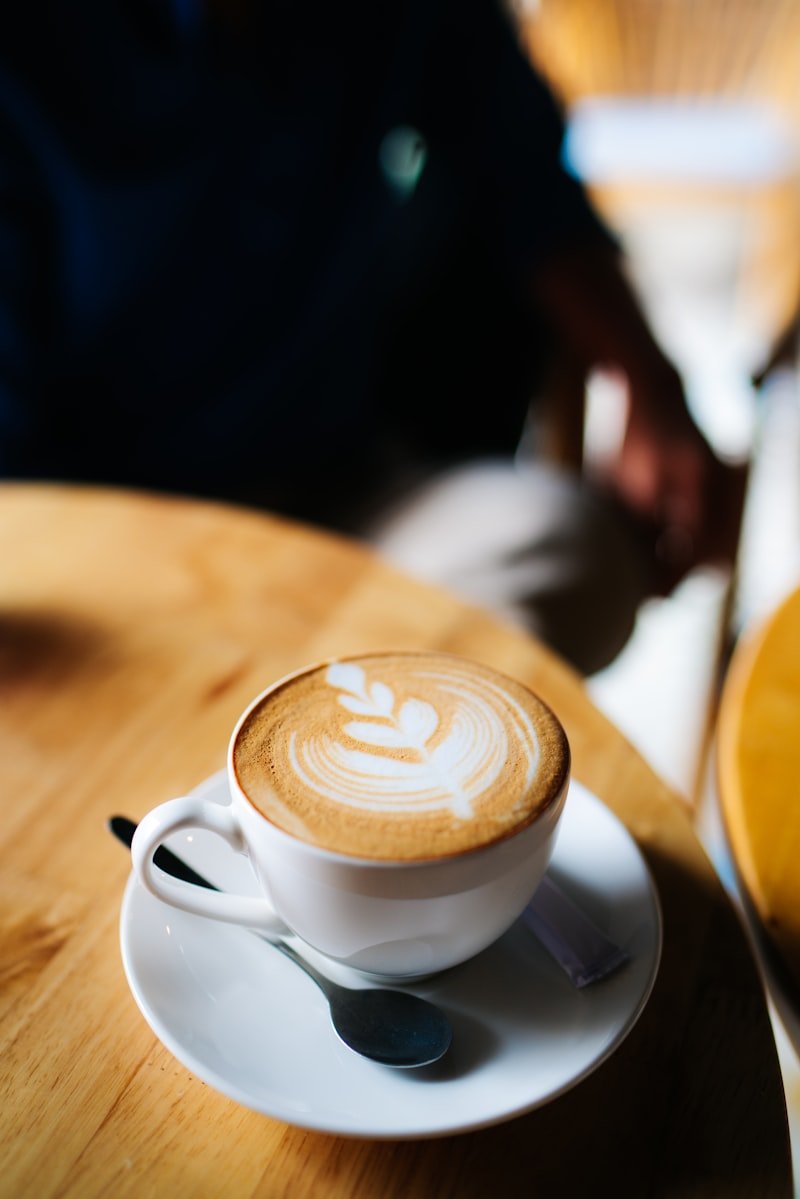
- Microfoam Texturing (The 65°C Sweet Spot): Cold, full-cream milk is aerated with high-pressure dry steam wand to create microscopic bubbles (microfoam). We steam milk strictly to 65°C—the exact temperature where natural milk lactose tastes sweetest—without scalding the delicate milk proteins.

6. Explore Our Signature Coffee Menu
Whether you prefer a comforting warm cup on a crisp morning or a refreshing cold brew during a warm afternoon, our masterfully crafted menu offers an unmatched range:
- Signature Hazelnut Cappuccino: A velvety double shot of single-origin espresso infused with natural roasted hazelnut essence and topped with dense microfoam latte art.
- Spanish Caramel Latte: Silky espresso layered over sweetened condensed milk, handcrafted caramel syrup, and warm textured milk.
- Classic Americano (Dark Roast): Pure, unadulterated double-shot espresso lengthened with hot mineral water to highlight subtle notes of dark cocoa and toasted walnuts.
- Classic Iced Frappe with Ice Cream: Slow-extracted espresso blended with crystal ice, whole milk, and a decadent scoop of gourmet vanilla ice cream.
- Vietnamese Chilled Condensed Coffee: Dark roast coffee dripped over rich condensed milk and served over crystal ice cubes.
- Tonic Cold Brew (Citrus Infused): 18-hour slow-steeped cold brew topped with sparkling botanical tonic water and a slice of Valencia orange.
Experience The Ultimate Cup of Coffee Today
Visit your nearest Sip Sip Spot outlet in Patiala, Chandigarh, or Ludhiana, or explore our full 300+ handcrafted menu online.
Explore Hot Coffees Menu7. Frequently Asked Questions (FAQ) About Specialty Coffee
What is the difference between single-origin coffee and a coffee blend?
Single-origin coffee comes exclusively from a single geographic region, farm, or cooperative (such as Chikmagalur or Coorg), allowing you to experience the distinct terroir and unique flavor notes of that specific soil and altitude. In contrast, blends combine beans from multiple regions to create a consistent, balanced flavor profile.
How should I store roasted coffee beans at home?
Store your beans in an airtight, opaque container at room temperature away from direct sunlight, heat, and moisture. Never store coffee in the refrigerator or freezer, as moisture condensation breaks down volatile aromatic oils and causes the beans to absorb unwanted food odors.
Is espresso stronger in caffeine than drip or pour-over coffee?
Per fluid ounce, espresso has a much higher concentration of caffeine than drip coffee. However, because a standard espresso serving is only 1 to 2 fluid ounces (containing 60–80mg of caffeine), an 8-ounce mug of pour-over or drip coffee actually delivers more total caffeine (120–160mg) due to prolonged water contact time.
8. The Sip Sip Spot Third-Space Philosophy
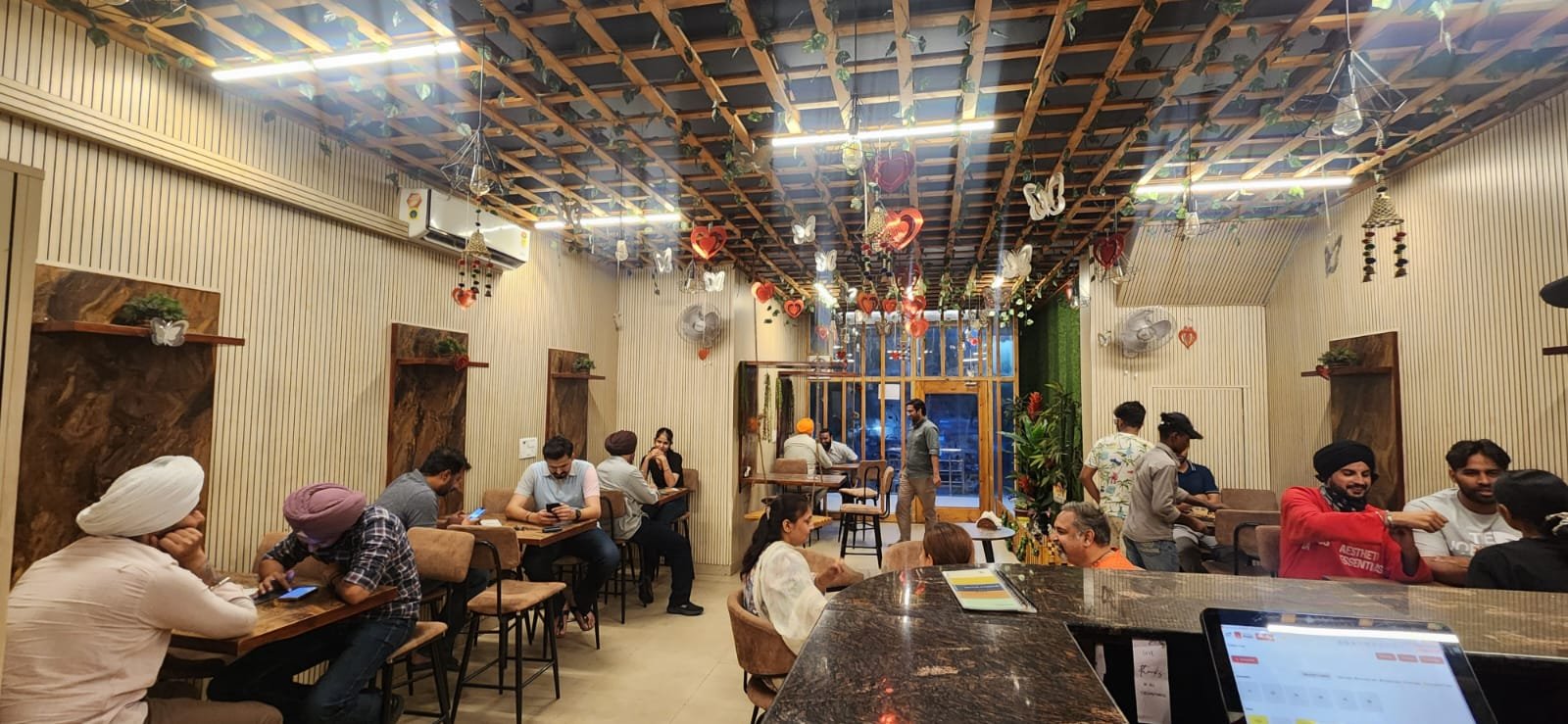
Great coffee is meant to be savored in an environment that honors human connection. At Sip Sip Spot, our cafes are designed as warm, welcoming "Third Spaces"—neutral sanctuaries between home and work where you can read, brainstorm, hold business meetings, or laugh with dear friends over handcrafted beverages. Discover your nearest location on our store outlets directory and join our community today.
Sumit Pandey
Passionate about third-space cafe culture, handcrafted artisanal beverages, and culinary storytelling. Dedicated to bringing you insights on specialty coffees, slow-simmered teas, and modern cafe experiences.